A house can look perfectly fine from the curb and still bleed heat through gaps you cannot see. Insulation problems rarely announce themselves with anything dramatic; instead, you notice a bedroom that runs cold every January, ice dams along the roofline, a furnace that cycles too often, or a utility bill that climbs faster than it should. At Restorative Home Solutions, we built our home insulation assessment in North Dakota to turn those scattered symptoms into a clear diagnosis, so you stop treating the wrong problem and start fixing the right one.
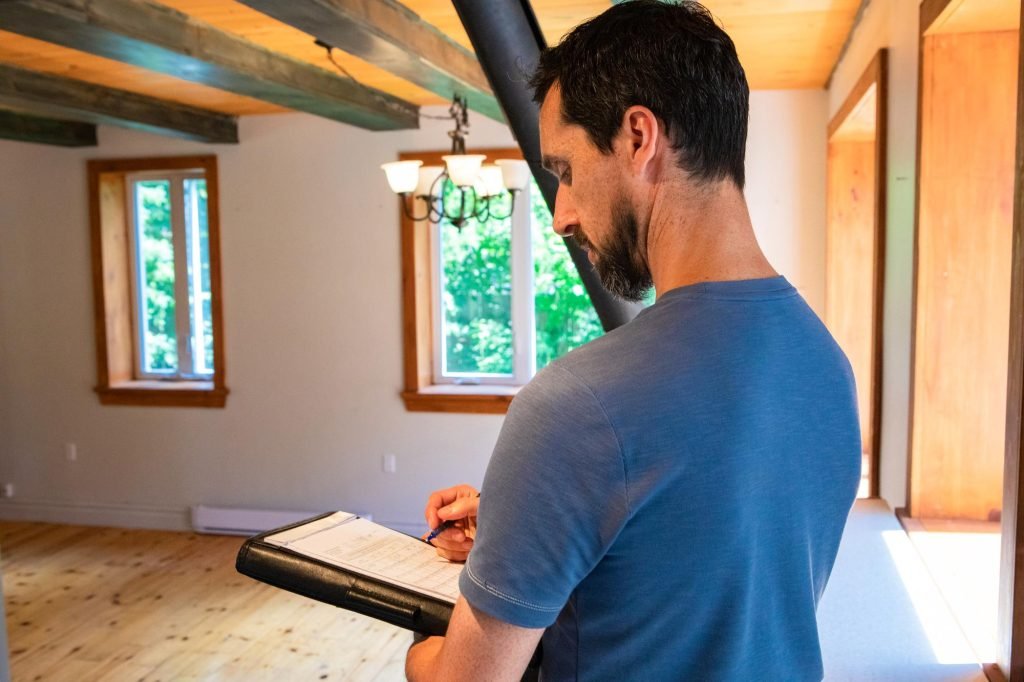
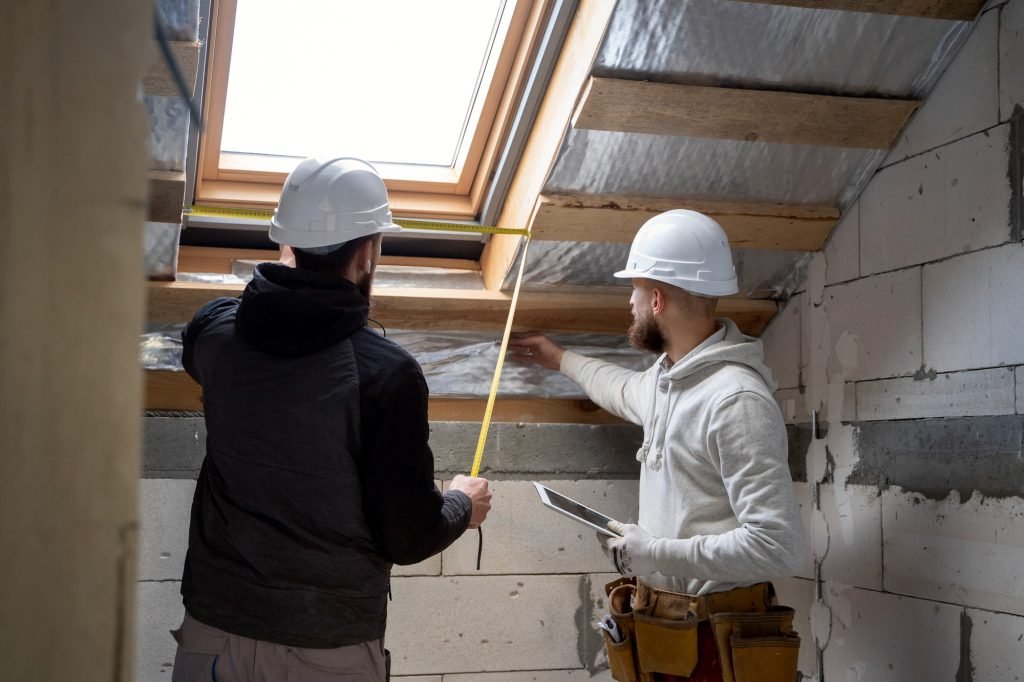

The attic is where the largest share of winter heat loss happens, and it is also the area most often misjudged by homeowners. Settled cellulose, compressed batts, missing coverage around recessed lights, and skipped sections near the eaves quietly drain efficiency for years before anyone notices. Our team measures actual insulation depth across multiple points in your attic, identifies bypasses where conditioned air rises through ceiling penetrations, and documents whether the existing R-value matches what your climate zone actually requires. We deliver a precise read on whether the attic needs topping up, full replacement, or air sealing before any new material goes in.
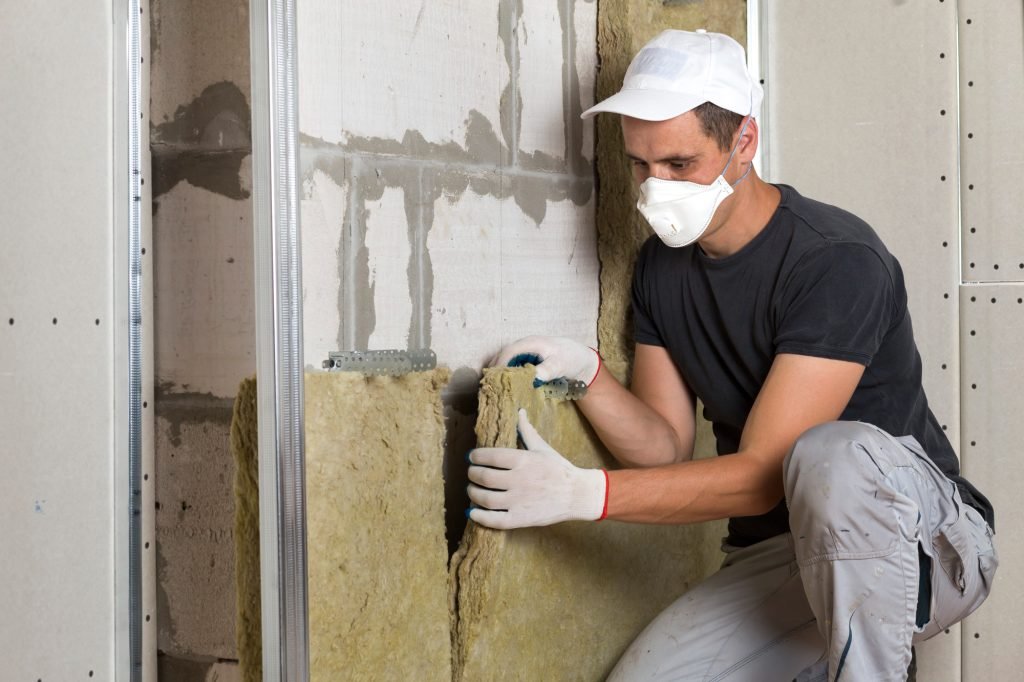
Walls are the hardest area for any homeowner to evaluate without help, because the insulation inside them is invisible until something goes wrong. We use thermal imaging and targeted probe testing to map insulation coverage inside exterior walls, locating voids, settling, and sections where the original installation simply missed the cavity. Our inspection gives you documented evidence of what is actually inside your walls, so any future improvement decision rests on facts rather than assumptions.
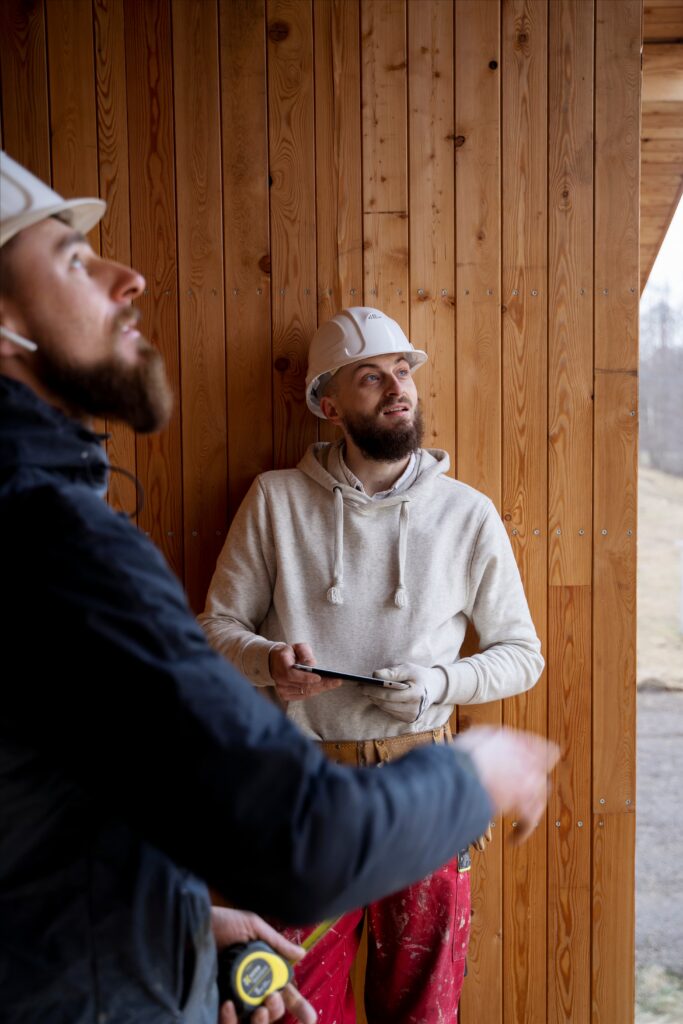
We see homeowners dealing with frozen pipes along exterior walls, ice dams damaging shingles and gutters, premature furnace wear from constant cycling, and condensation forming on cold interior surfaces. Our inspection traces these visible symptoms back to their root cause, separating insulation deficiencies from air leakage, ventilation problems, or mechanical issues.
Insulation work done without checking moisture and ventilation can create bigger problems than it solves. We evaluate attic ventilation pathways, vapor barriers, bath fan terminations, and signs of trapped moisture before recommending any insulation upgrade, because adding material to a wet or poorly vented assembly accelerates rot, mold growth, and shortened roof life. Our team looks for the warning signs that matter in this climate and explains how your insulation and ventilation systems are interacting.
We at Restorative Home Solutions help you stop guessing about what is happening behind your walls and inside your attic. Schedule your home insulation assessment in North Dakota with our team and get documented evidence, prioritized recommendations, and an honest conversation about what your home actually needs.
When you notice uneven room temperatures, rising heating bills, ice dams, or your home is older than fifteen years.
Yes. We use thermal imaging and small, repairable test points to evaluate wall insulation without major demolition.
The Department of Energy recommends R-49 to R-60 for attics in our climate zone. Many older homes fall well below that.
No. Healthy, dry insulation can often be topped up. We only recommend removal when there is contamination, moisture damage, or compression.
Most visits run between ninety minutes and three hours, depending on home size and attic access.