Cold drafts near windows, rooms that never stay comfortable, and heating systems that constantly run often point to one issue: uncontrolled airflow. Restorative Home Solutions provides Blower Door Testing in North Dakota to measure how much outside air moves through the home and identify the areas causing energy loss. Our company helps homeowners understand what is happening behind the walls before spending money on upgrades that may not solve the real problem.

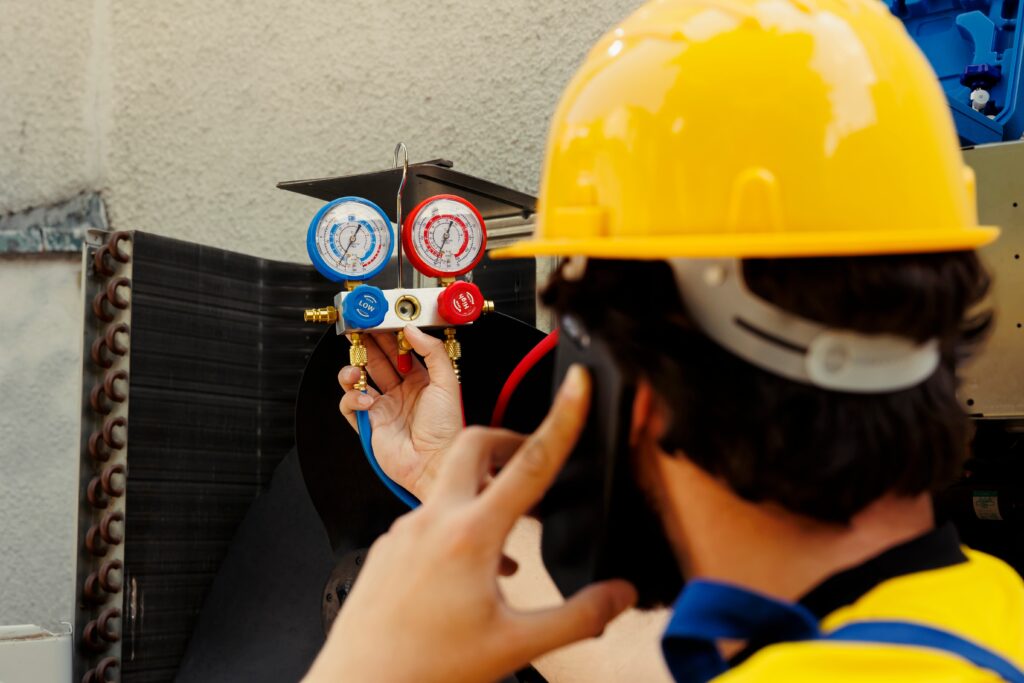
A house pressure test creates a controlled environment that reveals how air travels through the property. During Blower Door Testing in North Dakota, our team uses calibrated equipment to detect leakage points that impact heating efficiency and indoor comfort. This process helps homeowners see why some spaces feel colder than others and why energy bills continue climbing during seasonal temperature shifts. Instead of guessing where the problem exists, homeowners receive measurable data that supports confident improvement decisions.
Even small leaks around attic openings, framing gaps, ductwork, or basement penetrations can force HVAC systems to work harder every day. Restorative Home Solutions performs detailed energy loss inspections alongside Blower Door Testing to pinpoint the areas contributing to unnecessary energy waste. Our company focuses on practical recommendations that support lower operating costs and stronger year-round performance instead of temporary fixes that only mask symptoms.

Drafts rarely come from a single location. Air often enters through multiple weak points across the structure, creating uneven temperatures and uncomfortable living spaces. Blower Door Testing helps our team track those airflow patterns and locate the gaps affecting overall comfort. From older homes with aging construction to newer properties with hidden sealing problems, Restorative Home Solutions helps homeowners understand exactly where conditioned air escapes and what improvements deserve priority.
Many homeowners invest in insulation or replacement systems before understanding how the house actually performs. Blower Door Testing services provide valuable insight that helps avoid unnecessary spending and supports more effective upgrade planning. Our company believes testing should come first because accurate information leads to smarter decisions, stronger efficiency improvements, and better long-term results for the property.

Schedule Blower Door Testing in North Dakota with Restorative Home Solutions and uncover the airflow problems driving up your energy costs. Our team delivers straightforward testing, clear recommendations, and practical solutions built around lasting home performance.
Blower door testing identifies hidden air leaks that allow conditioned air to escape, helping homeowners focus on improvements that reduce energy waste and improve comfort.
Yes. Even recently built homes can contain sealing gaps, insulation weaknesses, and construction leaks that affect indoor temperature control and efficiency.
Reducing uncontrolled airflow often improves HVAC performance and decreases the amount of energy needed to maintain indoor temperatures.
Common leakage areas include attics, windows, doors, recessed lighting, crawl spaces, duct penetrations, and poorly sealed framing connections.
Many homeowners schedule testing before remodeling projects, after purchasing a home, or when experiencing drafts, uneven temperatures, or rising utility costs.