
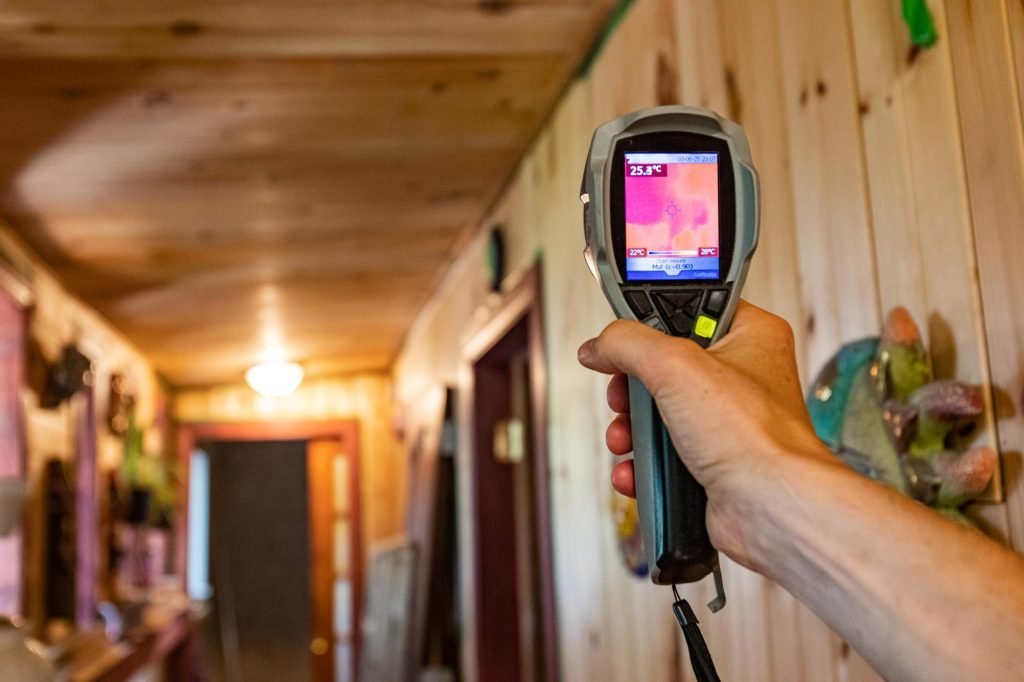

Yes. Cold weather often improves the accuracy of thermal imaging because temperature differences between indoor and outdoor air make heat loss and insulation gaps easier to detect.
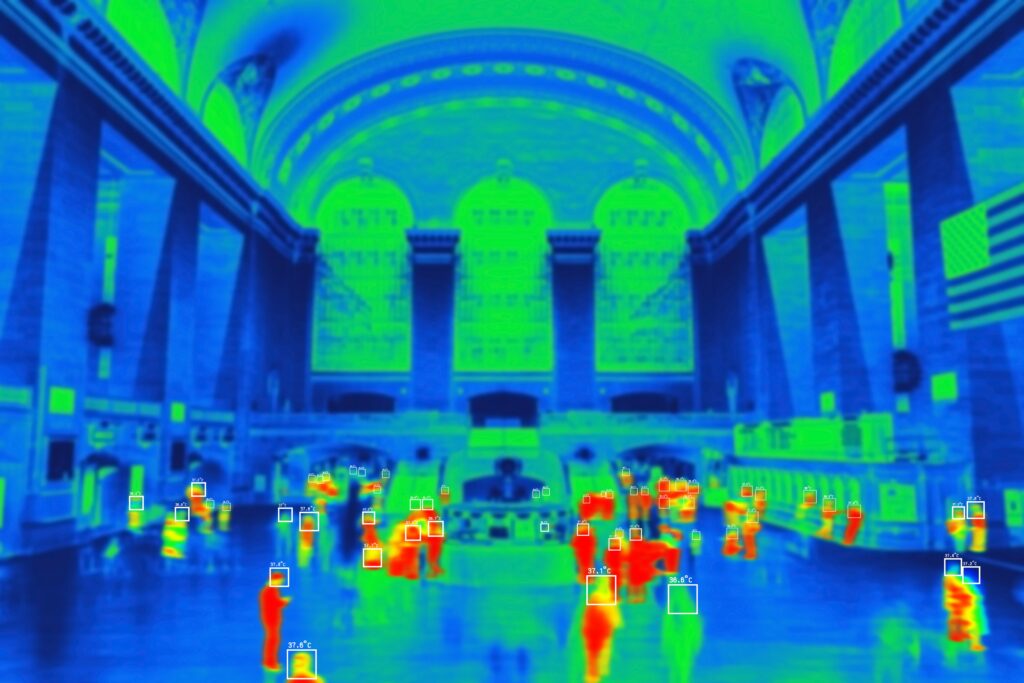
Thermal imaging can reveal temperature patterns that indicate missing or poorly installed insulation. While it does not see through walls directly, it highlights areas where insulation performance may be weak.
Many professional energy audits include thermal imaging because it helps confirm air leaks, moisture issues, and insulation defects that affect overall efficiency.
Yes. Infrared inspections can detect moisture trapped in roofing materials or attic spaces before visible water damage appears, allowing property owners to address issues early.
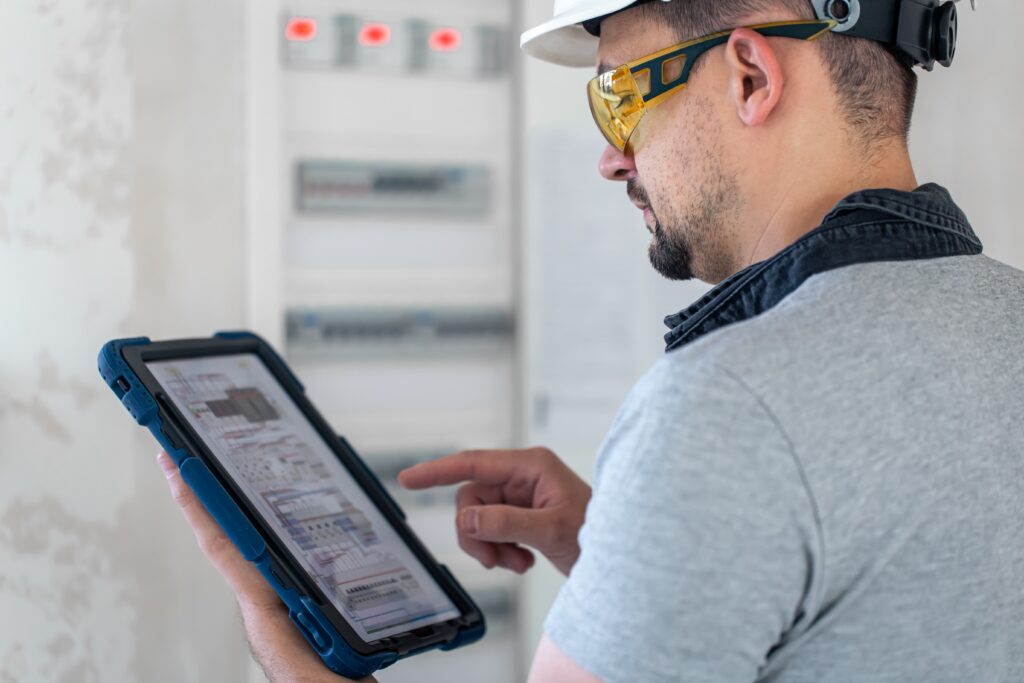
Thermal imaging provides reliable data when performed by trained technicians using calibrated equipment. It helps identify problem areas quickly and supports targeted improvements that reduce energy loss.